Stop Reacting to Equipment Failures: The Key to Reliable Maintenance
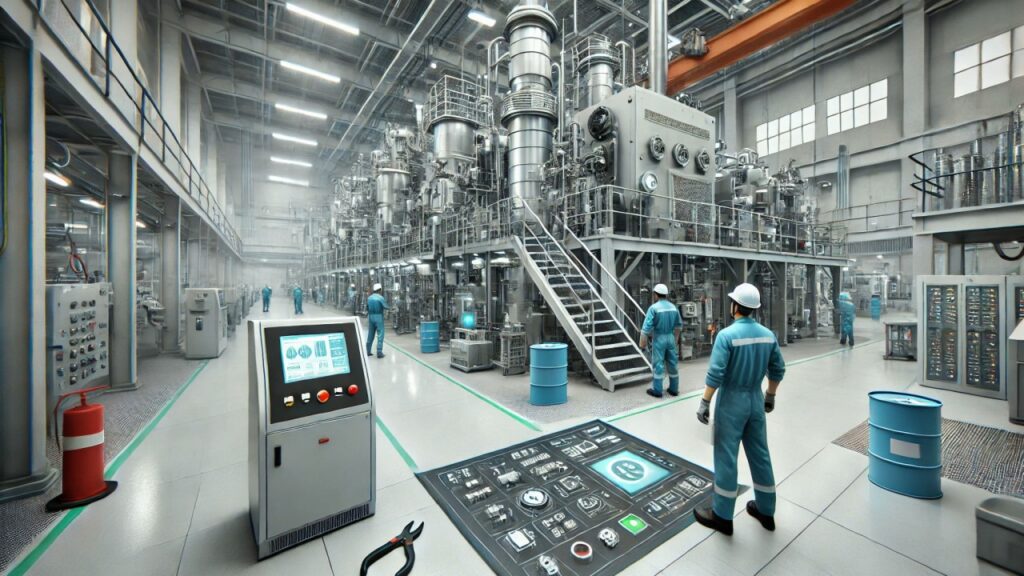
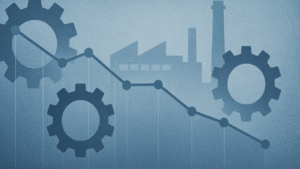
Are you constantly putting out fires when equipment breaks down?
Many maintenance teams find themselves stuck in a reactive cycle, always fixing issues as they arise. But there’s a better way—proactive maintenance can help you prevent failures before they happen, saving time, money, and frustration.
Here’s how you can make the shift from reactive to reliable maintenance.
1. Plan for Reliability, Not Just Repairs
Reactive maintenance means you’re always playing catch-up, addressing problems after they cause downtime. Proactive maintenance, on the other hand, is all about prevention. By planning regular maintenance and tracking equipment health, you can catch small issues before they lead to costly breakdowns.
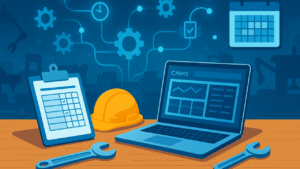
Using data from a Computerized Maintenance Management System (CMMS) allows you to schedule maintenance activities in advance. This way, your team isn’t just fixing problems—they’re preventing them.
2. Implement Condition-Based Maintenance (CBM)
One of the best ways to reduce reactive repairs is through Condition-Based Maintenance (CBM). CBM involves monitoring the condition of equipment in real time and performing maintenance only when needed. This prevents unnecessary repairs and ensures you’re addressing issues when the equipment shows early signs of failure.
For example, vibration analysis or temperature monitoring can alert your team to a potential problem, allowing you to fix it before it leads to a full-blown failure.
3. Embrace Predictive Maintenance
Predictive Maintenance goes one step further than CBM by using advanced technology like IoT sensors and AI to predict when equipment is likely to fail. With this data, you can plan maintenance activities in advance, preventing breakdowns and avoiding emergency repairs.
Predictive maintenance can drastically reduce unplanned downtime, helping you keep your equipment running at optimal performance. Investing in this technology may seem like a big step, but the long-term savings far outweigh the initial costs.
4. Regularly Review and Update Maintenance Schedules
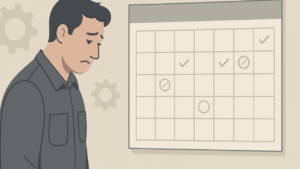
Even if you’re already performing regular maintenance, it’s important to review and update your schedules frequently. Equipment usage can change over time, and outdated schedules may not align with current needs. A review ensures you’re not over-maintaining or under-maintaining your machinery.
Make sure your preventative maintenance activities are targeting the correct failure modes, and adjust your schedules as needed to stay in sync with your equipment’s actual performance.
5. Involve Your Team in Preventative Efforts
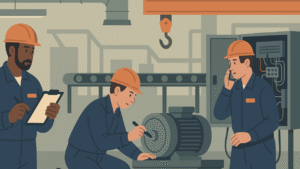
Your team members are the first to notice when something’s not right with the equipment. Involving them in the maintenance process can provide valuable insights. Ask for their input on how machines are running, what issues they’ve observed, and any recurring problems.
By getting your team involved, you’re tapping into frontline knowledge that can help fine-tune your maintenance strategy and prevent small problems from escalating into major issues.
Build a Reliable Maintenance Culture
Moving from reactive to proactive maintenance requires a culture shift, but the benefits are clear. By focusing on preventing failures rather than reacting to them, you can reduce downtime, cut costs, and keep your equipment running efficiently.
Take control of your maintenance operations today. Make the switch from reactive to reliable.
Want to learn more about building a reliable maintenance strategy? Contact AMSS for a free consultation and let us help you implement proactive maintenance practices that prevent equipment failure and keep your operations running smoothly.